
Retail data can show that someone bought a protein snack. It can’t tell you whether they chose it for fitness, convenience or because their first choice was out of stock.
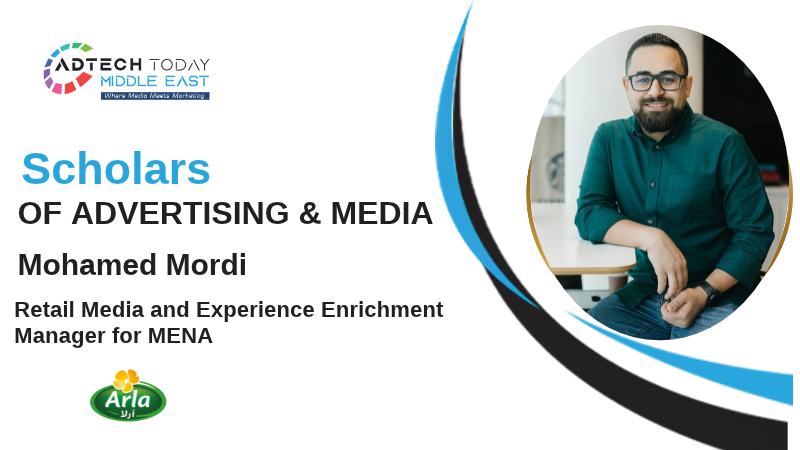
For Mohamed Mordi, closing that gap is what makes data valuable. As Retail Media and Experience Enrichment Manager for MENA at Arla Foods, the Danish dairy cooperative behind Puck and Lurpak, he oversees a remit spanning retail media, the brand’s websites, SEO and GEO, and consumer care. He has worked on every side of a media deal: selling publisher inventory, planning agency campaigns and now buying media for a brand.
In this exclusive conversation, Mordi discusses how brands can stay visible as shoppers turn to search and AI assistants to compare products, how consumer insight can improve the experience across touchpoints, and what retail media networks must prove to earn a larger share of 2027 budgets. The answers begin with everyday moments: a quick-commerce order, a late-night craving, a shopper comparing products with an AI assistant.
You’ve sold ad inventory on the publisher side, run campaigns at agencies, and now buy media for a brand. Which of those earlier roles shapes how you judge a retailer’s media offer today?
Each of those roles gave me a different lens, and together they give me a more balanced view of any media opportunity. On the publisher side, I learned how media products are developed and monetized, while the agency experience taught me how to evaluate channels, optimize investments and deliver against campaign objectives.
Today, on the brand side, I focus more on the bigger business picture. It’s not just about what a retailer can offer in inventory or targeting, but what value that investment brings to the brand.
I look at the quality of audience data, the relevance of the placements, measurement capabilities and, importantly, whether we’re driving incremental growth rather than simply capturing existing demand.
Having worked across the ecosystem also helps me understand the challenges and priorities of different partners, which makes conversations more constructive.
Ultimately, I believe the strongest retail media partnerships happen when both sides understand each other’s business objectives and work together to deliver meaningful results, rather than treating it as a straightforward media transaction.
Retailer data lets brands build audiences based on what people actually buy rather than what they say they like. What can that kind of data miss about the shopper?
Retailer data is extremely valuable because it reflects actual purchasing behavior, but it doesn’t always explain the motivation behind it. A purchase record doesn’t necessarily tell us why someone chose a product. Was it their preferred brand, a promotion, a substitute for something out of stock, or simply the easiest thing to pick up at that moment?
It also doesn’t always reveal the occasion behind the purchase. Someone buying a protein product could be focused on fitness, looking for a healthier snack, or simply searching for something convenient. These distinctions matter because the same purchase behavior can represent very different consumer needs. That’s why I believe retailer data works best when complemented by broader consumer insights, contextual signals and a strong understanding of shopper behavior. For brands, the opportunity isn’t just to use purchase history to identify audiences more precisely. It’s to translate those insights into more relevant communication, better product recommendations and meaningful consumer experiences.
“The more we understand the context behind the transaction, the more valuable that data becomes.”
As AI assistants begin to shape how shoppers compare options, what does a brand need in place to make the shortlist?
AI-assisted shopping adds a new dimension to how brands think about being discovered. Until now, visibility has come mainly from search, paid media, retail placements and content that grabs attention. All of that still matters, but AI assistants are starting to shape how shoppers discover and compare products.
If someone asks an assistant for a high-protein snack or an ingredient for a particular recipe, a brand’s products have to be relevant, easy to find and backed by accurate information. That starts with the fundamentals: structured product data, clear descriptions, relevant benefits, availability, pricing and credible reviews.
But I also believe brand building will become even more important. Consumers will still have preferences, trust certain brands and make decisions based on their previous experiences. The challenge is to be well positioned for both human and AI-driven discovery. Showing up in search results is no longer enough. Brands need to give both consumers and AI assistants a compelling reason to consider them.
Your remit runs from retail media to consumer care. What has listening to shoppers’ questions and complaints taught you that media data alone can’t?
Working across retail media and consumer care has reinforced something I strongly believe: understanding consumer behavior requires more than looking at campaign performance. Media data tells us what consumers click, how they engage and what they purchase. Consumer care often helps explain the experiences and expectations behind those actions.
A question about a product might reveal something that wasn’t clear enough in our communication. A complaint could highlight an issue with availability, packaging or the overall purchase experience. These insights might never appear in a media dashboard, yet they directly affect how consumers perceive and interact with a brand.
What interests me most is how far these insights travel beyond consumer care itself, from sharpening product content and communication to spotting opportunities across the consumer journey.
“Consumers don’t see marketing, e-commerce and customer service as separate functions. They experience one brand.”
That’s why connecting these different sources of insight is essential if we want to move beyond optimizing individual touchpoints and start improving the whole consumer experience.
Quick commerce has made speed the baseline. Where can the pressure for instant delivery come into tension with building a brand?
Quick commerce has significantly changed what consumers expect. Speed and convenience have become the norm rather than differentiators, particularly in markets like the UAE and Saudi Arabia.
The tension comes when brands become overly focused on driving immediate transactions, potentially at the expense of building long-term preference. Quick-commerce platforms are often highly transactional environments where shoppers make decisions quickly. This creates opportunities for brands to influence purchases, but also increases the temptation to compete mainly through promotions and visibility.
I think the opportunity lies in understanding the occasions driving those purchases. Whether it’s breakfast, an afternoon snack, a last-minute dinner ingredient or a late-night craving, each occasion creates a different chance to connect with consumers through relevant products and messages.
“Retail media can help brands become part of those moments rather than simply compete for attention or offer the biggest discount.”
For me, the objective should be to balance short-term conversion with long-term brand preference: winning the immediate transaction, but also giving consumers a reason to choose us again.
As 2027 budgets are set, what will you need to see from a retail media partner before giving it a bigger share of spend?
I think retail media partners need to demonstrate value beyond simply offering more inventory or better targeting capabilities.
First, I want to see meaningful audience insights. What makes their data unique, and how can it help us find growth opportunities and reach consumers more effectively?
Second is measurement. ROAS is still relevant, but we need to go further, towards incrementality, new-to-brand shoppers and the real contribution media makes to business growth.
Third is the ability to connect different touchpoints. The opportunity becomes much stronger when we can link off-site audience activation with on-site conversion and closed-loop measurement.
Finally, I look for partners who bring more than a media offering. The ones I value understand our business objectives, share insights proactively and are willing to build joint growth plans rather than simply sell placements.
As retail media matures across the region, I believe the networks that win more investment will be those that can prove their commercial impact and show how they contribute to sustainable business growth.
Related Reading: The Growth Gap: Why Marketers Keep Making the Same Media Decisions

- Marketing’s Holy Grail Is Predicting What the Next Dollar Will Deliver: Huawei’s Joshua Mathias - November 18, 2026
- Nine months of the UAE Advertiser Permit: What Really Changed For Brands And Creators - November 17, 2026
- Mohamed Mordi: Context Turns Retail Data Into Growth - November 11, 2026