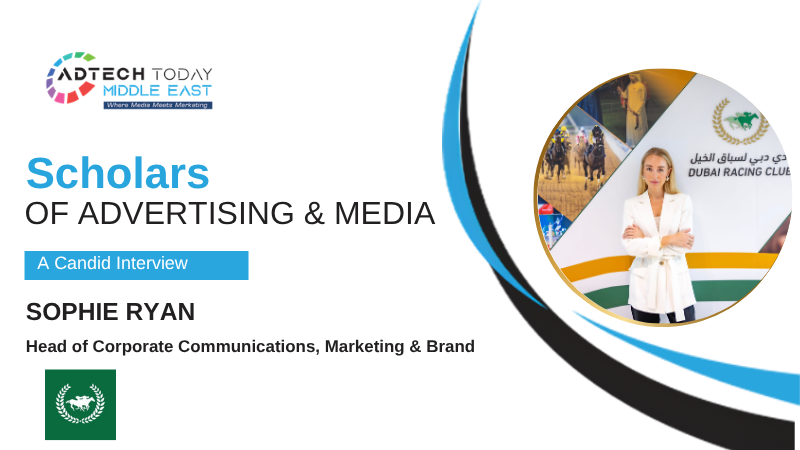
Sophie Ryan has spent her career at the center of some of the world’s biggest moments. After leading global giants like Expo 2020 Dubai and COP28 UAE, she now brings her sharp, relatable style to the Dubai Racing Club as Head of Corporate Communications, Marketing & Brand. Sophie doesn’t believe in hiding behind thick strategy books or fancy jargon; instead, she focuses on what actually works: simple, honest storytelling.
In this interview, she shares her secrets for keeping a massive brand like the Dubai World Cup relevant in a digital-first world. From reaching Gen Z with unfiltered content to why being flexible is a leader’s superpower; Sophie shows us how she keeps a 30-year legacy feeling fresh in a world that moves this fast. It is a conversation about making the world’s biggest marketing stages feel like a personal connection.
You have held a marketing and communications role for global institutions like Expo 2020 Dubai, COP28 UAE, and now Dubai Racing Club. What core principles have stayed consistent in your approach to building brands on a massive international scale?
Across all of these roles, the fundamentals have actually stayed quite simple. It always comes back to being clear in what you’re trying to say, being authentic in how you say it, and really understanding who you’re speaking to.
When you’re working at that kind of scale, it’s easy to overcomplicate things, but the reality is people connect with stories and moments, not strategies. So for me, it’s always about finding a narrative that feels genuine to the brand or event, but also relatable across different cultures and audiences.
“Consistency matters, of course, but so does tone, making sure the brand feels human, not just visible.”
In a digital-first world, how do you balance real-time reputation management with the long-term goal of cohesive, narrative-driven storytelling?
“In a real-time environment, you have to be reactive, responsive, and aware of what’s happening, but those decisions shouldn’t sit in isolation.”
They should always ladder up to the bigger story you’re trying to tell.
So even when you’re reacting quickly, there’s still a filter — does this feel like us? Does it support how we want to be seen long-term?
If you get that alignment right, then your day-to-day communications actually strengthen your overall narrative rather than disrupt it.
The 30th Dubai World Cup was a historic milestone, with Magnitude securing the $12 million race. From a communications perspective, what did the strategic playbook look like to make this edition feel like a true global celebration?
For the 30th edition, we really wanted it to feel like a moment — not just another event.
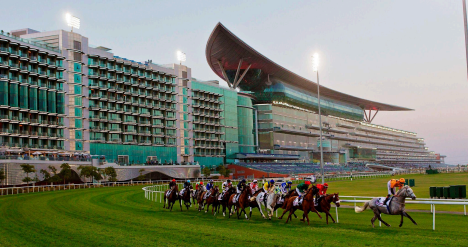
A big part of that was leaning into the history of the Dubai World Cup but telling it in a way that still felt fresh and relevant. It’s one of the world’s most international days of horseracing, with horses and connections flying in from across the globe to compete. We focused a lot on storytelling — not just the race itself, but the people behind it, the horses, the build-up, and the atmosphere.
It was also about making it feel global in real time. So, from early teasers including horses exercising and being cared for through to live coverage and post-event content, everything was designed to bring people into the experience, wherever they were.
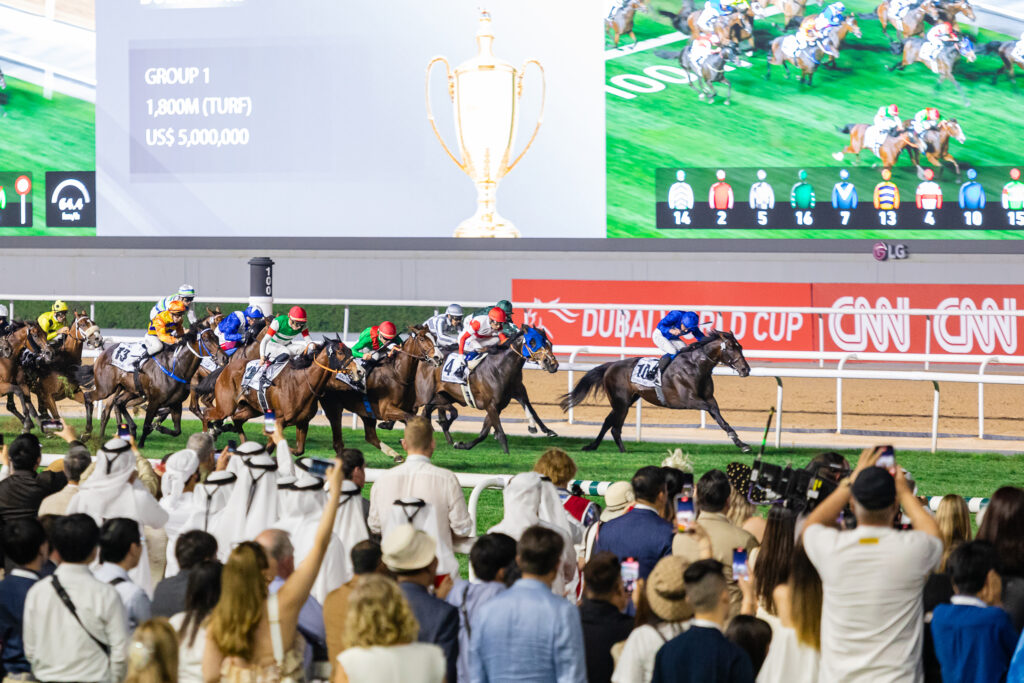
It’s those layers — before, during, and after — that turn an event into something people actually feel part of.
Beyond the racetrack, how do you position the Dubai World Cup as a catalyst that drives tangible value for the city’s retail, hospitality, and tourism sectors — and how do you communicate that wider economic impact to partners and stakeholders?
It’s important that we don’t just talk about the Dubai World Cup as a race day — it’s much bigger than that. Over the past 30 years, it has become a true “must-attend” on Dubai’s sporting and social calendar.
“It plays a real role in driving activity across the city, from hotels and restaurants to retail and travel. So part of our job is to bring that to life in a way that feels tangible.”
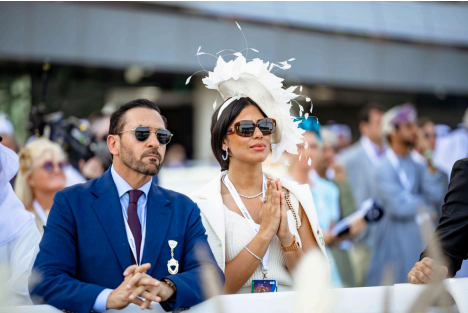
Of course, we share the numbers and the data post-event, that’s important. But equally, it’s about telling the story behind those numbers: the energy across the city, the fashion, the international visitors, and the overall momentum it creates.
When people can see both the impact and the experience, it becomes much more meaningful.
Gen Z and millennials now demand participation, not just attendance. How are you evolving your communications strategy to genuinely engage the next generation of audiences?
There’s definitely been a shift. People don’t just want to attend something anymore, they want to feel involved in it.
So a big part of what we’re doing is creating more opportunities for that interaction. Whether that’s through social content, brand activations, behind-the-scenes access, or more immersive digital experiences, it’s about making people feel closer to the action.
Authenticity is a big part of it as well. Audiences are very quick to pick up on what feels real and what doesn’t. So we try to keep things less filtered, more human, and a bit less polished where it makes sense.
What is the one fundamental shift marketing and communications leaders in the Middle East need to make right now to stay ahead and lead with impact?
I think the biggest shift is being comfortable with flexibility.
The pace has changed so much — audiences move quickly, platforms evolve quickly — so you can’t rely on rigid plans or locked content calendars in the same way. You need to be able to adapt, be present, and respond when things happen.
For me, it’s about staying close to your audience, using insights to guide decisions, but also trusting your instinct on what feels right. You should know your subject or product better than anyone, and be able to present it in a way that genuinely connects with people.
“The brands that will stand out are the ones that feel consistent at their core, but flexible in how they show up day to day.”